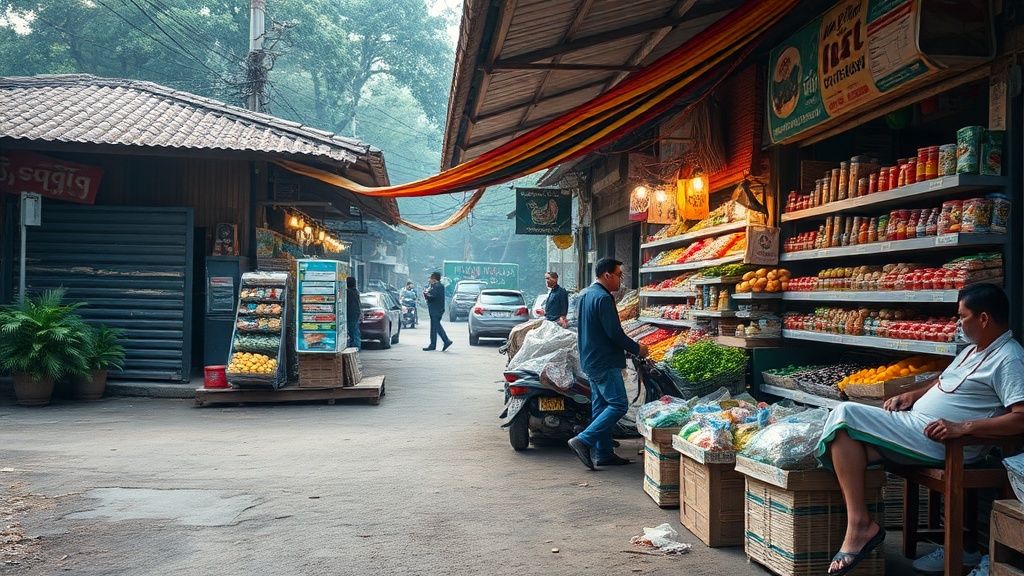
Finding the Best Local Grocery Stores in Remote Villages

You pull into a small village in the Scottish Highlands or a remote valley in the Pyrenees, expecting to find a quaint way to grab a snack, only to realize the "general store" is actually a tiny kiosk with three types of crackers and a single, bruised apple. This guide explains how to identify, locate, and shop at local grocery stores in remote areas to ensure you aren't stuck eating nothing but plain pasta for a week. We'll look at how to spot reliable food sources, what to look for in terms of stock, and how to manage your supplies when the nearest big-box retailer is a three-hour drive away.
Living or traveling in remote areas requires a different mindset regarding food procurement. You can't rely on the same weekly grocery run that works in a city. You have to be proactive. If you wait until you're out of milk or coffee, you've already lost the battle.
How Do I Find a Grocery Store in a Remote Village?
The most effective way to find a grocery store in a remote area is to use a combination of digital mapping tools and local physical cues. While Google Maps is a great starting than, it often misses the smaller, independent grocers in rural regions. Instead, look for "General Stores" or "Post Offices" on your map. In many parts of Europe or rural North America, the post office or the local petrol station serves as the primary hub for food, even if it isn't strictly a grocery store.
Don't just look for the word "Grocery." In many cultures, these shops are tucked under different names. Look for:
- The Village Post Office: Often carries basics like bread, milk, and eggs.
- Gas Stations/Petrol Stations: In places like rural Norway or the American Midwest, these are often the only places to get ready-made meals or snacks.
- Cooperatives (Co-ops): Common in rural France or Italy, these are community-run stores with fresh, local goods.
- Farm Stands: These are seasonal, but they are often the best source for high-quality produce.
A quick tip: Always check the opening hours before you head out. In a village, a shop might only be open from 10:00 AM to 2:00 PM, or it might close entirely on Sundays. It's a common mistake to assume a shop is open just because the lights are on. If you're driving, a quick phone call to the number listed on Google Maps can save you a wasted trip.
Sometimes, finding the right food source is part of a larger cultural immersion. Understanding the local rhythm of commerce can be as rewarding as any sightseeing tour. It's a bit like savoring the slow rhythm of traditional Moroccan tea ceremonies—you learn to appreciate the pace and the local way of doing things.
What Should I Look for in a Local Food Shop?
You should look for shops that carry a mix of staple shelf-stable goods and fresh local items. A good remote shop will have the basics—flour, oil, salt, coffee—but also the items specific to that region. This is where you find the "real" version of the culture you're visiting.
When you walk into a small shop, do a quick mental inventory. Is there a bakery section? Is there a refrigerated section with dairy? If the shop is tiny, it might focus heavily on one thing. For example, a shop in a coastal village might have plenty of canned fish but almost no fresh vegetables.
| Shop Type | Best For... | Typical Limitations |
|---|---|---|
| Village General Store | Daily staples (eggs, milk, bread) | Limited variety and higher prices |
| Gas Station / Petrol Station | Quick snacks, drinks, and basic meals | Very limited fresh produce |
| Local Farmer's Market | Fresh produce, cheese, and meat | Seasonal and weather-dependent |
| Co-op / Community Store | High-quality local goods and bulk items | Can be harder to find/less frequent hours |
One thing to watch out for is the "luxury tax." In very remote areas, the price of a simple item like a carton of milk or a bag of coffee can be significantly higher than in the city. This is due to the logistics and transport costs involved. It's not a scam—it's just the reality of the supply chain. If you're staying for more than a few days, it's worth buying your heavy, non-perishable items in a larger town before you arrive at your remote destination.
How Much Does Food Cost in Remote Areas?
Food costs in remote areas are generally 15% to 30% higher than in urban centers due to transportation and logistics. While you might find cheaper fresh produce at a local farm stand, your "convenience" items—like pre-packaged snacks or branded goods—will be more expensive. For instance, a bottle of Coca-Cola or a bag of Lay's potato chips will almost always carry a premium in a remote village compared to a city supermarket.
To manage your budget, I recommend a tiered approach to shopping. Don't try to buy everything at the village store.
- The Big Haul: Buy your heavy, shelf-stable items (rice, pasta, canned beans, large bags of flour, coffee) at a large supermarket in the nearest major city.
- The Weekly Refresh: Use the local village store for fresh items like milk, eggs, and fresh bread.
- The Local Experience: Buy your specialty items (local cheeses, seasonal fruit, local honey) from the people actually producing them.
This method keeps your costs down and ensures you aren't lugging heavy bags through narrow village streets every single day. It's a way to balance practicality with the desire to eat well. It's also a way to ensure you actually have the ingredients to make a decent meal. There's nothing worse than wanting to cook a nice meal and realizing the only thing in the shop is a single can of tomato soup and some expired crackers.
If you are looking for specific nutritional information or food standards to ensure quality, you can check the FDA website or your local government's food safety agency. This is especially important if you are buying unbranded or local goods that don't have standardized labeling.
One thing to keep in mind: local shops often have a much smaller selection of "branded" international goods. If you have a specific dietary need—like a gluten-free diet or a preference for a certain brand of oat milk—bring it with you. You cannot assume the local shop will carry it. In fact, you almost certainly won't find it there. This is a hard lesson I learned the hard way in a small village in the Alps. I spent three days eating nothing but plain rice because I assumed I could find a gluten-free alternative nearby. I was wrong.
The catch is that you have to be your own logistics manager. You can't just wander into a shop and expect a full pantry. You have to plan your shopping around the local availability and the transport cycles of the area. It takes a little more effort, but it's part of the experience of living somewhere truly off the beaten path. It forces you to engage with the local economy and understand how things actually get to the table in a place where the nearest highway is miles away.
If you find yourself needing to navigate transport to reach these stores, remember that public transit in these areas is often sparse. You might need to rely on local car-sharing or even a bicycle. For more tips on navigating complex or remote transport systems, check out my post on finding reliable local transport. It's a similar skill set: you have to know what to expect before you set out.
Steps
- 1
Observe Local Shopping Rhythms
- 2
Identify Seasonality
- 3
Learn Basic Food Vocabulary
- 4
Practice Small-Scale Transactions