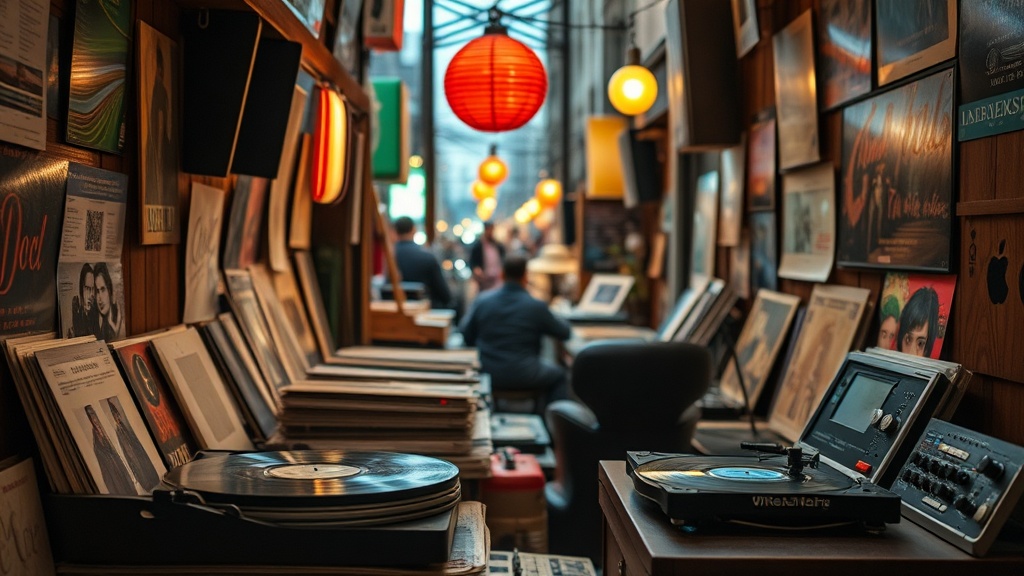
Finding Authentic Vinyl and Analog Music in Foreign Cities

A traveler walks into a small, dimly lit shop in a narrow alley in Tokyo. They aren't looking for souvenirs or clothes; they're looking for a specific 1970s Japanese jazz pressing. The shopkeeper doesn't speak much English, but he understands the weight of the request. He reaches behind a stack of crates, pulls out a worn sleeve, and plays a few seconds of a track on a vintage turntable. In that moment, the connection to the city becomes tangible.
This post explains how to find authentic vinyl and analog music-related culture when you're traveling through foreign cities. It covers how to identify real record stores, what to look for in different musical-centric neighborhoods, and how to handle the logistics of buying physical media on the move. Finding these spots helps you connect with a city's local identity far more deeply than a standard museum visit ever could.
How Do You Find the Best Record Stores in a New City?
The most effective way to find high-quality record stores is to look for high density areas of independent shops rather than relying on major search engine results. While Google Maps is a starting point, it often highlights the most "tourist-friendly" or high-traffic spots. If you want the real stuff, you need to look for the clusters.
Look for neighborhoods that are traditionally known for music or arts—think Shimokitazawa in Tokyo or Kreuzberg in Berlin. These areas often have a high concentration of smaller, specialized shops. You might find that a single street holds three or four shops that specialize in very different genres. One might focus solely on rare electronic music, while the next is a graveyard for 1950s blues.
Don't be afraid to ask a local barista or a worker at a local boutique. They usually know where the "real" shops are. If you're hanging out in a way that mimics finding quiet coffee shops in dense urban jungles, you'll notice that the people frequenting those spots often have a pulse on the local underground music scene. They’ll point you to the shop that doesn't have a sign out front or a website.
Check out specialized forums or niche music sites. If you're looking for something specific, like high-fidelity audio equipment or rare pressings, look for local enthusiast groups on social media. They often discuss the best places to find gear or specific genres.
Types of Music Shops to Look For
- The Specialized Boutique: These shops focus on one specific niche, like heavy metal, jazz, or classical. They are usually small and highly curated.
- The Generalist Shop: These carry a mix of everything from pop to rock. They are great for browsing, but you might not find anything truly rare here.
- The Second-Hand/Thrift Store: These are hit-or-miss. You might find a goldmine of cheap vinyl, or you might just find dusty junk.
- The Hi-Fi Audio Lounge: These shops focus more on the equipment (turntables, speakers, tube amps) than the music itself, but they often have an incredible selection of high-end pressings.
What Should You Carry to Buy Vinyl While Traveling?
You should carry a sturdy, lightweight backpack and a small amount of extra cash to ensure you can safely transport your purchases. Buying records on the road requires a bit more preparation than just grabbing a souvenir t-shirt. If you aren't careful, a cheap purchase can turn into a broken, scratched mess by the time you get home.
A rigid folder or a specialized "record sleeve" protector is a lifesaver. If you're traveling via train or bus, a soft bag won't protect the corners of your new treasure. I always suggest a dedicated record-safe backpack—something with a rigid back panel. This prevents the weight of the books or laptop in your bag from crushing the vinyl. It's a small detail, but it matters.
Cash is also a major factor. In many parts of Europe, Japan, or Southeast Asia, smaller, independent record shops might not be set up for credit card transactions, especially for small amounts. If you're hunting for a $5 bargain bin find, you'll need coins or small bills. It's worth checking the local currency requirements before you head out.
| Item | Purpose | Why It's Needed |
|---|---|---|
| Rigid Backpack | Protection | Prevents bending and corner damage. |
| Plastic Outer Sleeves | Preservation | Protects the jacket from moisture and wear. |
| Small Cash Stash | Payment | Many independent shops are cash-only. |
| Anti-Static Brush | Maintenance | Cleans dust off new finds immediately. |
How Can You Verify the Quality of Used Vinyl?
You verify quality by visually inspecting the record under a bright light and checking the sleeve for signs of heavy wear. Never assume a record is in good condition just because the cover looks great. A pristine-looking sleeve can hide a deeply scratched surface.
First, look at the "grooves." Hold the record up to a light source at an angle. You're looking for deep scratches or "hairline" scratches. If you see any surface scratches that catch the light, skip it. These will almost certainly cause pops and clicks during playback. A little surface dust is fine—you can clean that—but a scratch is permanent.
Second, check the weight of the vinyl. While not a universal rule, heavier vinyl (often marketed as "180g audiophile pressings") tends to be more durable and less prone to warping. If you're buying a used record, feel the thickness. A thin, flimsy record is more likely to have been handled roughly in the past.
Third, check the sleeve for "ring wear." This is when the outline of the record shows through the cardboard cover. It's a sign that the record has been stored poorly or handled too much. While it doesn't affect the sound, it definitely affects the resale value and the aesthetic of your collection. If you're a collector, this is a big deal.
If you want to learn more about the technical aspects of vinyl grading, the Wikipedia page on vinyl records provides a great technical foundation. Understanding the difference between a "Very Good" (VG) and "Near Mint" (NM) rating is vital before you hand over your money.
One thing to keep in mind: don't be afraid to ask the shopkeeper to play a track. Most high-end or specialized shops will have a listening station. If they are willing to let you hear a bit of the record, it's a sign of a quality establishment. If they refuse, it might be because they're a high-volume shop that doesn't care about the enthusiast experience. Either way, it tells you something about the vibe of the place.
The catch? You'll likely spend more than you intended. There's something about the tactile nature of browsing a physical crate that makes it hard to walk away empty-handed. Just be disciplined. Set a budget before you leave your hotel, and stick to it. It's easy to get lost in the hunt.
That said, the thrill of finding that one specific record in a city thousands of miles from home is unmatched. It's more than just a purchase; it's a piece of the city's soul that you get to take with you. It's a tangible connection to a moment in time and a place you've visited. Just remember to pack your gear properly, and you'll be fine.
Steps
- 1
Identify Local Music Hubs
- 2
Use Niche Online Communities
- 3
Ask Local Shopkeepers for Recommendations
- 4
Listen for the Local Soundscape