Where to Find Genuine Street Food in Southeast Asia

Discovering the Best Street Food Stalls in Southeast Asia
This guide covers the specific indicators of high-quality street food, how to identify safe and delicious vendors, and where to find the most iconic flavors across the region. Understanding these nuances ensures you spend your time eating incredible meals rather than worrying about food safety or bad service.
Street food isn't just a cheap way to eat; it's the heartbeat of Southeast Asian culture. When you walk through a market in Bangkok or a night street in Hanoi, you aren't just looking for a meal—you're looking for a connection to the local way of life. However, the sheer volume of options can feel overwhelming if you don't know what to look for.
Where is the best street food found?
The best meals often aren't found in the polished restaurants near your hotel. Instead, look for areas with high turnover. If a stall has a long line of locals (not just tourists), that's your green light. High turnover means the ingredients are fresh and the food isn't sitting around in the heat. In cities like Penang or George Town, the street food is almost a religion, and you'll find some of the best flavors tucked away in unassuming alleyways.
Look for these specific signs of a great stall:
- High Turnover: A fast-moving line suggests the food is fresh and the chef is skilled.
- Simple Menus: The best vendors usually specialize in just one or two dishes. If they try to do everything, they probably aren't doing anything perfectly.
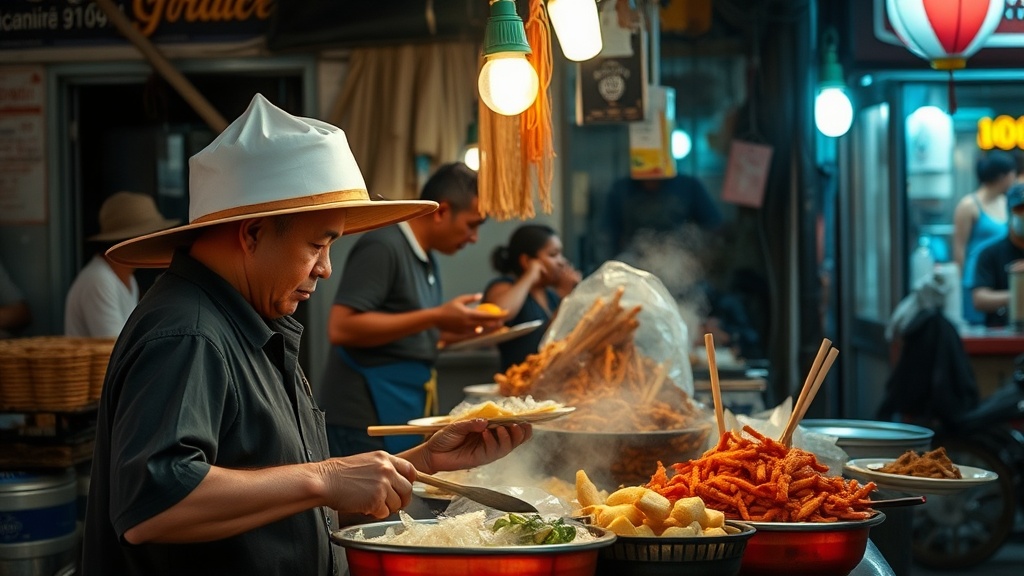
- Visible Cooking: Watching your food being prepared in front of you allows you to see the cleanliness of the setup and the quality of the ingredients.
If you're looking for reliable information on food safety standards, the World Health Organization provides excellent context on food-borne illnesses and how to stay healthy while traveling. It's a good way to keep your expectations realistic while staying informed.
How do I know if the food is safe to eat?
The fear of "traveler's stomach" is real, but it shouldn't stop you from exploring. A good rule of thumb is to follow the heat. If the food is cooked at a high temperature right before it hits your plate, the risks drop significantly. Avoid raw salads or anything that has been sitting out at room temperature for hours.
Another tip? Watch the ice. In many parts of Southeast Asia, ice is produced in factories using purified water, making it safe. However, if you see ice being made from local tap water, skip it. If you're unsure, stick to bottled water or tea that has been boiled. You can check more travel safety tips on sites like Lonely Planet to see how seasoned travelers handle these situations.
What are the must-try dishes in the region?
While every country has its own identity, a few heavy hitters define the street food experience. You shouldn't leave without trying these staples:
| Dish | Region | What to Expect |
|---|---|---|
| Pad Thai | Thailand | Sweet, savory, and slightly tangy noodles with peanuts. |
| Banh Mi | Vietnam | A crispy baguette filled with pate, pickled vegetables, and herbs. |
| Nasi Goreng | Indonesia | Fried rice with a rich, spicy profile and often a fried egg. |
| Laksa | Malaysia | A spicy coconut milk-based noodle soup that is incredibly fragrant. |
Eating these dishes on a plastic stool on a busy sidewalk is a core part of the travel experience. It's loud, it's messy, and it's completely wonderful. Don't be afraid to sit down anywhere that looks busy. The more local the vibe, the better the meal usually is.
One thing to remember: don't be afraid to ask for more spice if you're feeling brave, but always ask for the sauce on the side first. You might find that what is considered "mild" in one city is a fire hazard in another. I've learned this the hard way more than once (my taste buds certainly felt the heat).
Ultimately, the goal is to embrace the chaos. The clanging of woks, the smell of lemongrass and chili, and the chatter of the crowd are all part of the meal. When you step away from the air-conditioned tourist zones and head into the streets, you're truly starting to see the real soul of the destination.