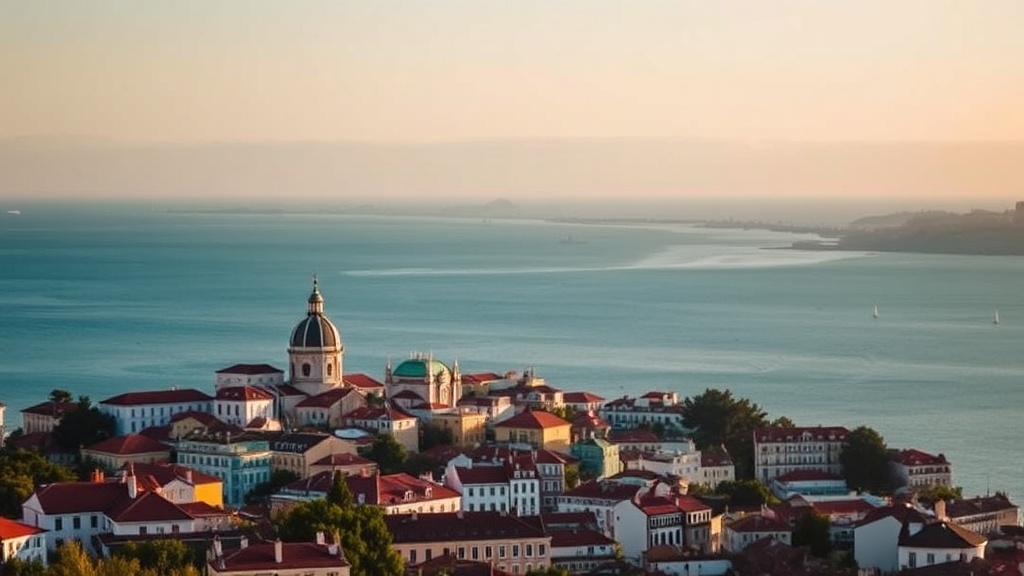
Hidden Gems of Lisbon: A Local's Guide to Portugal's Coastal Capital

This guide uncovers Lisbon's overlooked neighborhoods, secret viewpoints, and authentic dining spots that most visitors never discover. While guidebooks focus on Belém Tower and São Jorge Castle, you'll find the real character of Portugal's coastal capital in its lesser-known corners—places where locals gather, where tradition hasn't been polished for tourists, and where the city's layered history reveals itself to those willing to wander.
What Are the Best Neighborhoods in Lisbon Beyond Alfama and Bairro Alto?
The neighborhoods of Campo de Ourique, Graça, and Alcântara offer more authentic experiences than the tourist-heavy historic center. These areas haven't been reshaped for visitors. They function as living, breathing parts of the city where daily life unfolds at its own pace.
Campo de Ourique sits southwest of the tourist trail—a residential district where Lisbon's upper-middle class has lived for generations. The neighborhood centers around the Mercado de Campo de Ourique, a market hall that feels more like a community living room than a shopping destination. Unlike the Time Out Market (Mercado da Ribeira), which draws queues of tourists, this market serves locals grabbing lunch at tascas, browsing for fresh fish, or meeting friends for coffee. The surrounding streets feature early 20th-century architecture, small parks where elderly residents play cards, and a rhythm that hasn't changed much in decades.
Graça, perched on one of Lisbon's highest hills, has developed a reputation among expats and creative types—though it still retains its working-class soul. The Miradouro da Senhora do Monte here provides what many consider the city's finest viewpoint. (Skip the crowded São Jorge Castle viewpoint; this one has better angles and fewer selfie sticks.) The neighborhood's steep streets connect traditional grocer shops with new cafés opened by young Portuguese entrepreneurs. It's a place where contradictions coexist—grandmothers hang laundry from fourth-floor windows while digital nomads type away in specialty coffee shops below.
Alcântara, stretching along the river west of the city center, has transformed from an industrial zone into one of Lisbon's most interesting areas. The LX Factory complex—a former textile factory turned creative hub—draws visitors for its street art, bookshops, and weekend markets. Worth noting: the area immediately surrounding LX Factory remains gritty. You'll find auto repair shops next to design studios, warehouse buildings beside new residential developments. That rough edge is precisely what makes it compelling.
Where Can You Find Authentic Portuguese Food Without Tourist Prices?
Authentic Portuguese dining happens at tascas—family-run taverns serving daily specials to neighborhood regulars. These aren't restaurants with English menus or Instagram-worthy plating. They're places where the day's catch arrives at noon, gets cooked simply, and sells out by early evening.
In Mouraria, one of Lisbon's most diverse neighborhoods, tascas cluster along narrow streets that climb uphill from the Intendente metro station. Restaurante Zé da Mouraria serves enormous portions of grilled fish, arroz de pato (duck rice), and bacalhau prepared in the Portuguese style—salted, dried, then rehydrated and cooked. A full meal rarely exceeds €15. The catch? Seating is communal, service is brisk, and you won't find wine lists—just house vinho tinto served in glass carafes.
For pastéis de nata—the famous custard tarts—most visitors queue at Pastéis de Belém near the monastery. Locals don't. They go to Manteigaria, which has locations in Chiado, near Cais do Sodré, and at the Time Out Market. The tarts here emerge from the oven warm, their custard slightly wobbly, the pastry shatteringly crisp. Another option: Aloma in Campo de Ourique, a neighborhood bakery that won Lisbon's annual pastel de nata competition twice. (Yes, that's a real competition. The Portuguese take their tarts seriously.)
| Dining Experience | What to Order | Where to Find It | Price Range |
|---|---|---|---|
| Traditional Tasca | Daily fish special, arroz de marisco | Mouraria, Campo de Ourique | €8-15 |
| Pastry Shop | Pastel de nata, bola de berlim | Manteigaria, Aloma | €1-2 per item |
| Cervejaria | Steamed clams (ameijoas), prego steak | Ramalho Ortigão, Cervejaria Ribadouro | €15-25 |
| Ginjinha Bar | Ginjinha (sour cherry liqueur) | A Ginjinha, Ginjinha Sem Rival | €1-2 per shot |
Cervejarias—literally "beer houses"—represent another authentic category. These establishments originated as working-class beer halls and evolved into full restaurants. Ramalho Ortigão near Saldanha has operated since 1963, serving enormous platters of seafood and perfectly executed steaks. The decor hasn't changed in decades—wood paneling, vintage beer advertisements, white-jacketed waiters who've worked there for thirty years.
Which Viewpoints in Lisbon Offer the Best Photos Without the Crowds?
Miradouro da Graça, Miradouro de Santa Catarina, and the garden at Tapada das Necessidades provide stunning panoramas without the tour buses that choke São Jorge Castle and the Santa Justa elevator. Here's the thing about Lisbon's viewpoints—the city has seven hills, which means dozens of vantage points exist. Most visitors stick to the famous ones and miss the rest.
The Miradouro da Graça combines an exceptional view with a local atmosphere. A small café sells drinks and snacks; locals gather here in evenings to socialize while watching the sunset paint the terracotta rooftops gold. You can see the castle, the river, the bridge, and the Cristo Rei statue across the water—all from wooden benches where elderly men play cards and teenagers flirt. Bring a sweater; the hilltop catches wind even on warm days.
Further west, Miradouro de Santa Catarina—locally called Adamastor after the stone figure of the sea monster from Camões's poetry—overlooks the harbor. Street performers play fado here after dark. The view encompasses the 25 de Abril Bridge (often compared to San Francisco's Golden Gate) and the ships entering Lisbon's port. Nearby, the Bica neighborhood's famous funicular climbs past tightly packed houses decorated with azulejo tiles.
For something truly hidden, seek out the Tapada das Necessidades garden behind the Palace of Necessidades. This walled estate—once royal hunting grounds—contains a neglected greenhouse, palm trees, and peacocks that roam freely. Few tourists venture here because it requires a deliberate walk through a residential area. The garden offers quiet, shade, and a sense of discovery that crowded viewpoints can't match.
What Day Trips Reveal Lisbon's Broader Region?
The coastal towns of Cascais and Sesimbra, plus the UNESCO-listed Sintra, sit within an hour of central Lisbon—each offering distinct experiences that complement the capital. You don't need a car; trains and buses run frequently, and the journeys themselves provide scenery worth the ticket price.
Sintra draws crowds for its fairytale palaces—the colorful Pena Palace, the mysterious Quinta da Regaleira with its underground tunnels and initiation wells. Worth noting: arrive early. The palaces open at 9:30 AM; by 11:00, tour buses clog the narrow roads. Better yet, hike the trails connecting the monuments through Sintra-Cascais Natural Park. The forest here—originally planted by 19th-century Romantic aesthetes—creates an atmosphere unlike anywhere else in Portugal. Mist hangs between oak and pine trees; sudden clearings reveal distant palaces.
Cascais offers a different experience—a fishing village turned resort town where Lisbon's elite built summer homes in the late 1800s. The walk from the train station to the harbor passes elegant villas, a bustling fish market, and the Cascais Marina where luxury yachts moor beside working fishing boats. The beaches here—Praia da Rainha, Praia da Conceição—provide calmer waters than Lisbon's riverfront. You can swim, then walk to old town restaurants for grilled sardines.
Sesimbra, south of Lisbon across the Tagus River, remains less visited than Cascais despite superior beaches. It's a working fishing town where restaurants along the harbor cook the morning's catch over charcoal. The drive or bus ride crosses the 25 de Abril Bridge— Europe's longest suspension bridge—and winds through the Arrábida Natural Park, where limestone cliffs drop to turquoise water. The medieval castle overlooking Sesimbra provides panoramic views without Sintra's ticket prices or crowds.
Practical Details for Exploring
Getting around Lisbon requires understanding its geography. The city spreads across steep hills, and while walking provides the best discoveries, your legs will protest after a full day. The vintage trams—particularly the 28E route—have become tourist attractions themselves, often too crowded to board at central stops. Here's the thing: the 12E and 25E routes use the same historic trams but carry mainly locals. They run through less scenic neighborhoods, but you'll actually get a seat.
The Carris public transport system includes buses, trams, funiculars, and the modern metro. A €1.80 single ticket works across all modes; day passes cost €6.60. Purchase the rechargeable Viva Viagem card at metro stations—it's key for tram and funicular rides since drivers don't sell tickets.
Lisbon's best seasons are late spring (May-June) and early autumn (September-October). Summer brings intense heat—the city recorded temperatures above 40°C in recent years—and crowds that strain infrastructure. Winter offers mild weather and empty museums, though some restaurants reduce hours and Atlantic storms can bring days of rain.
"Lisbon isn't a city you conquer in a checklist. It's a place that rewards repetition—the same viewpoint at different hours, the same café where they start recognizing your order, the same streets that reveal new details when walked slowly."
The hidden gems described here aren't secrets—locals know them, and plenty of visitors stumble upon them. The difference is intention. Most tourists follow the paths of least resistance: hop-on buses, guidebook recommendations, the obvious sights. Those willing to climb one more hill, turn down an unmarked alley, or linger in a neighborhood without famous monuments discover a Lisbon that most never see. That version of the city—layered, contradictory, deeply human—stays with you longer than any postcard view.