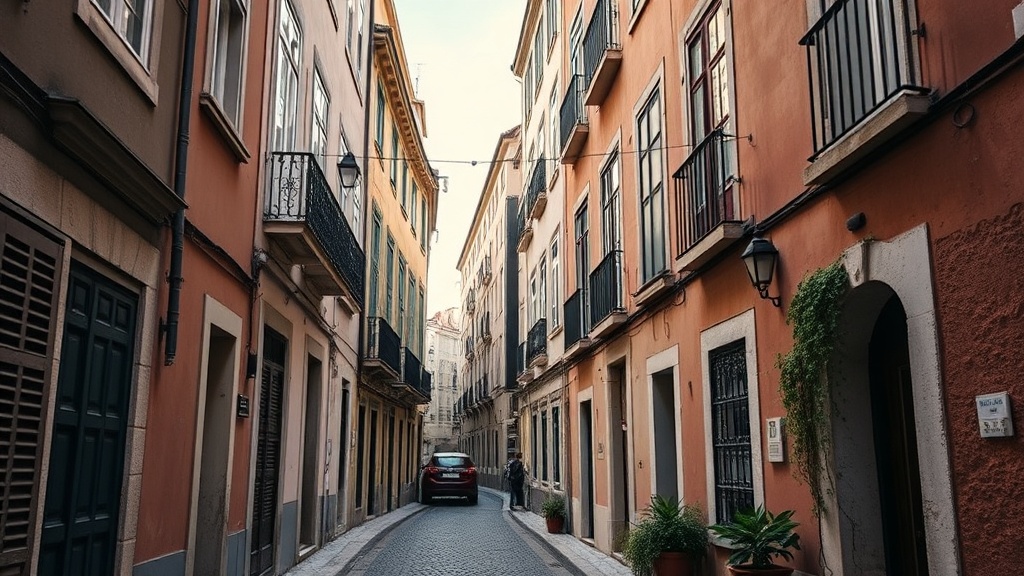
Hidden Alleys of Lisbon: A Nomad's Guide to Portugal's Soulful Capital

What Makes Lisbon's Hidden Alleys Worth Exploring?
This guide maps the narrow passageways and forgotten corners that most tourists miss — the cobblestone arteries where Lisbon's authentic character pulses. You'll discover where locals sip ginginha at 11 AM, which alleys hide the best pasteis de nata (hint: not the ones with queues around the block), and how to handle neighborhoods that don't appear on standard walking tours. Whether you're staying for a week or setting up as a digital nomad, these streets reveal the city's soul.
Where Are Lisbon's Best Hidden Alleys Located?
The most atmospheric alleys cluster in three distinct neighborhoods: Alfama, Mouraria, and Bairro Alto. Each offers a completely different experience — from Moorish-influenced staircases to graffiti-covered bohemian passages.
Alfama: The Labyrinth Above the River
Alfama predates Lisbon's 1755 earthquake, meaning its layout hasn't changed in centuries. The alleys here — called becos in Portuguese — twist between whitewashed houses covered in azulejo tiles.
Start at Beco do Caracol, a staircase so steep it feels vertical. Locals call it "the snail" because it spirals upward toward São Jorge Castle. Halfway up, you'll find Tasca do Chico — a hole-in-the-wall fado bar where singers perform without microphones. The beer costs €2.50. The experience costs nothing.
Nearby, Beco de São Miguel dead-ends at a viewpoint most guidebooks ignore. Grab a bica (espresso) at Café São Miguel — it's been family-run since 1982. The owner, Senhor António, still roasts beans in a 40-year-old machine that sounds like a diesel engine.
Mouraria: Where Cultures Collide
Mouraria sits in Alfama's shadow but attracts a fraction of the visitors. This was Lisbon's Moorish quarter — and today it's the city's most diverse neighborhood. Bangladeshi grocery stores sit beside Angolan restaurants. Senegalese tailors work next door to Portuguese tascas.
The alleys here tell migration stories. Beco da Achada features murals by Portuguese street artist Vhils — his signature technique involves drilling faces into crumbling plaster. The results look like ghosts emerging from walls. Worth noting: these pieces change every few months as the neighborhood evolves.
For food, Beco dos Surdos (Alley of the Deaf) hides Zé da Mouraria — a restaurant that serves arroz de pato (duck rice) so good that locals queue for an hour. Portions feed two. Prices hover around €12 per person.
Bairro Alto: Graffiti and Ginjinha
By day, Bairro Alto's alleys feel sleepy — laundry hangs from balconies, cats sun themselves on parked scooters. By night, they transform. Bars spill into the streets. Fado wafts from open windows.
Beco da Espera (Waiting Alley) earned its name honestly. People wait here — for tables at Pensão Amor, a former brothel turned cocktail bar with velvet curtains and ceiling mirrors. For something quieter, duck into Beco do Espírito Santo and find A Ginjinha. This 1840 cherry liqueur bar measures roughly 10 square meters. You'll stand on the street. The ginja costs €1.40. It's served in edible chocolate cups during summer.
What Should Digital Nomads Know About Working in Lisbon's Old Quarter?
Internet connectivity varies dramatically between alleys — some buildings have fiber, others rely on 4G routers. Here's what actually works:
| Location | WiFi Quality | Power Outlets | Best For |
|---|---|---|---|
| Fábrica Coffee Roasters (Bairro Alto) | Fast, reliable | Limited | Short calls, focused work |
| Heim Cafe (near Mouraria) | Good | Abundant | Long sessions, laptop work |
| Copenhagen Coffee Lab (Príncipe Real) | Excellent | Moderate | Video meetings |
| Public squares (Rossio, Figueira) | Free "Lisboa WiFi" | None | Email checking only |
The catch? Many traditional tascas don't offer WiFi at all. They're social spaces — conversation matters more than screens. For serious work sessions, stick to specialty coffee shops. For cultural immersion, put the laptop away.
Accommodation in these neighborhoods ranges from €800/month for a studio in Mouraria to €1,400+ in renovated Alfama apartments. Uniplaces lists verified rentals, though local Facebook groups often beat their prices by 20-30%. That said — inspect before paying. Photos lie. That "charming alley apartment" might face a nightclub.
Which Local Dishes Should You Hunt For in These Alleys?
Lisbon's alley restaurants don't do fusion. They do tradition — recipes passed through generations, cooked in spaces that haven't seen renovation in decades.
Snails (Caracóis): From May through August, alleys fill with the smell of garlic and oregano. Caracóis — tiny snails stewed in herb broth — appear on every tasca menu. Eat them with toothpicks. Drink cold beer. Repeat. Tasca da Esquina in Mouraria serves arguably the best version — €4 per plate.
Sardines (Sardinhas Assadas): During June's Festas dos Santos Populares, alley grills smoke constantly. Sardines cost €6-8 with bread and salad. The rest of the year, find them at Cervejaria Ramiro — Anthony Bourdain's favorite, still excellent despite the fame.
Alley Pastry Secrets: Skip the Pastéis de Belém queue. Instead, find Manteigaria in Bairro Alto — their custard tarts use the original 1837 recipe. Or better yet, visit Aloma in Campo de Ourique — they won Portugal's best pastel de nata competition twice. The secret? Cinnamon-dusted custard, still warm from the oven.
Practical Tips for Alley Exploration
Wear shoes with grip. Lisbon's calçada portuguesa — those beautiful mosaic pavements — turns treacherous when wet. And it rains, even in summer.
Here's the thing about maps: they don't work well here. GPS signals bounce off stone walls. Streets have multiple names. That "shortcut" might deposit you on a rooftop. Buy a physical map from Bertrand (the world's oldest operating bookstore, founded 1732) or simply embrace getting lost.
Learn these phrases:
- "Uma imperial, por favor" — A small draft beer, please.
- "A conta, se faz favor" — The check, please.
- "Não falo português" — I don't speak Portuguese. (Useful — English isn't guaranteed in the alleys.)
Alley cats are everywhere. They're not strays — they're community animals fed by neighbors. Don't chase them. Do take photos.
When Is the Best Time to Explore Lisbon's Hidden Streets?
Early morning delivers empty passages and golden light hitting azulejo tiles. Between 7 and 9 AM, you'll see Lisbon as locals do — bakeries opening, coffee machines hissing, elderly women sweeping doorsteps with traditional straw brooms.
Evening brings different magic. From 6 PM onward, alleys fill with cooking smells, television sounds, and the clatter of families gathering for dinner. Fado drifts from open windows. It's intimate — you're walking through people's living rooms, essentially.
Avoid midday in summer. Temperatures in narrow stone alleys can exceed 35°C. The heat radiates from walls. Seek squares with trees — Largo do Carmo or Praça das Flores — or retreat to museums like Museu do Fado until the sun softens.
Winter (November through February) offers a different Lisbon. Rain slicks the cobblestones. Steam rises from laundry drying indoors. Restaurants feel cozy rather than crowded. Plus — accommodation costs drop 30-40%.
"The alleys don't change. We change. And when you return — because you will — they'll be exactly as you left them. That's the promise Lisbon keeps."
For current alley art installations and pop-up food events, check Time Out Lisbon. Their neighborhood guides update weekly. That obscure beco with the jazz trio last Tuesday? They'll know if it's happening again.
Pack light. Walk slow. Look up — the architectural details sit above eye level. And when an alley ends at a dead wall covered in purple bougainvillea, don't curse your map. Turn around. Find another path. The best discoveries happen when plans dissolve.