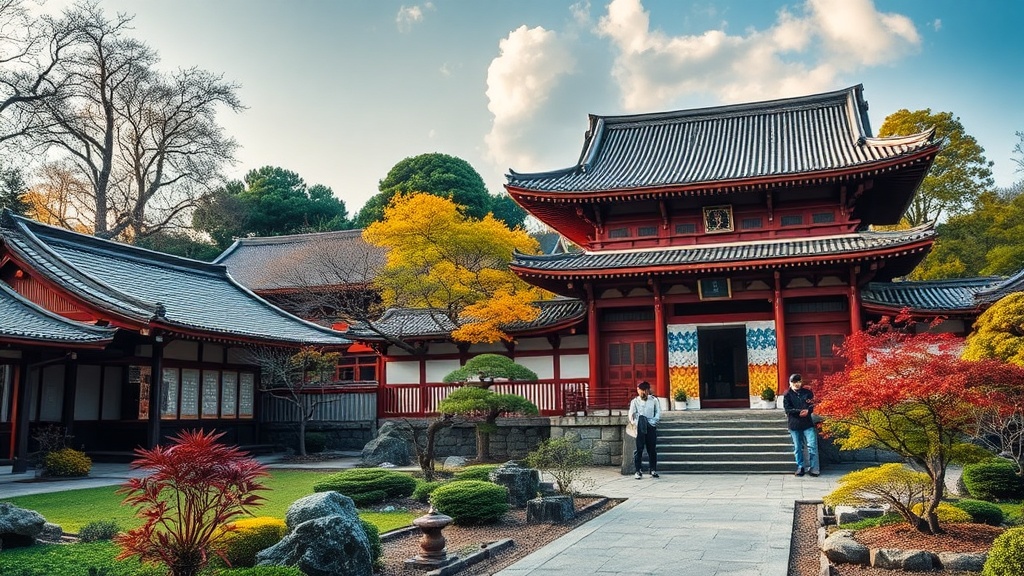
Finding Quiet Sanctuary in Kyoto's Temple Gardens

Most travelers think Kyoto is a city of constant noise and heavy crowds, but that's a mistake. While the main thoroughfares near Gion are packed, the true heart of the city lies in the intentional silence of its temple gardens. This post looks at how to find actual quiet in Kyoto, which specific temples offer the best seclusion, and how to time your visits to avoid the tourist rush. If you want to experience the meditative side of Japan rather than just the Instagram side, you need a strategy.
Where can you find quiet gardens in Kyoto?
The quietest gardens are found in the northern hills of Kyoto or at smaller, lesser-known sub-temples rather than the major landmarks like Kinkaku-ji. While everyone is fighting for a photo at the Golden Pavilion, you can often find a single bench and total silence at places like Enko-ji or Shisen-do. These spots prioritize atmosphere over crowd-pleasing spectacles.
If you're looking for a specific type of aesthetic, you should decide between a karesansui (dry rock garden) or a lush, moss-filled stroll garden. Dry rock gardens are designed for seated meditation—they are meant to be looked at, not walked through. Moss gardens, on the other hand, offer a sense of deep, living green that feels almost prehistoric. I personally prefer the moss gardens because they feel more immersive (and they're much better for photography).
Here is a quick breakdown of the different garden styles you'll encounter:
| Garden Type | Primary Feature | Best For... |
|---|---|---|
| Karesansui (Zen Rock) | Raked gravel and boulders | Focused meditation and stillness |
| Chaniwa (Tea Garden) | Stone lanterns and tea houses | A sense of ritual and intimacy |
| Tsukiyama (Hill Garden) | Ponds, hills, and winding paths | A long, reflective walk |
It's worth noting that even the most "famous" temples have secret corners. Even at a place like Ginkaku-ji, if you move away from the main path and toward the upper wooded areas, the sound of the crowds fades almost instantly.
How much does it cost to enter Kyoto temples?
Entrance fees for Kyoto temples typically range from 300 to 600 JPY per person. Most temples do not accept credit cards for these small fees, so you'll need to carry physical Japanese Yen. It's a good idea to keep plenty of small coins in your pocket—you'll need them for both temple entries and the occasional vending machine.
Don't expect to spend a fortune, but these costs add up if you're a temple hopper. If you plan on visiting several sites in one afternoon, you might want to check the Official Japan Travel Guide for any seasonal special openings or events that might require a separate ticket. Sometimes, during autumn or spring, temples charge a bit more for special night illuminations.
A quick tip: many smaller temples are cash-only. I've seen people get stuck at a beautiful garden gate because they tried to tap their phone or card. It's a bummer. Always keep a 1,000 yen note or some coins handy.
I once spent an entire afternoon at a tiny temple near the Kyoto city center, and the only thing I had was a handful of coins and a map. It was one of the most peaceful hours of my life. You don't need a massive budget to experience the best parts of the city—just a bit of foresight.
When is the best time to visit to avoid crowds?
The best time to visit Kyoto's gardens to avoid crowds is very early in the morning, ideally right when the gates open (usually around 8:30 or 9:00 AM). If you can't make an early start, aim for the late afternoon, about an hour before closing. The light is better for photos anyway, and the tour bus crowds have usually departed for the day.
Avoid the "Golden Weeks" or the peak cherry blossom and autumn leaf seasons if your goal is solitude. During these times, even the "quiet" temples become crowded. If you must go during peak season, try these strategies:
- Go on a weekday: Weekend crowds are significantly heavier.
- Visit the "sub-temples": Instead of the main temple, look for the smaller temples located within the larger complexes.
- Eat early or late: If you eat lunch at 12:00 PM, you'll be fighting the same crowds as the temple visitors.
- Check the weather: A light rain can actually be a blessing. It clears out the tourists and makes the moss gardens look incredibly vibrant.
The rain in Kyoto has a way of changing the entire mood of a garden. The sound of water hitting the stone basins (tsukubai) becomes much more pronounced. It's actually quite beautiful—and much more "Zen" than a sunny afternoon with fifty people taking selfies in the background.
The Etiquette of Silence
There's a certain unspoken rule when you enter these spaces. You'll notice people naturally lowering their voices. This isn't just a suggestion; it's part of the respect for the space. While you're there, keep your phone on silent. Even if you're taking photos, try to avoid the constant shutter click. It breaks the spell for everyone else.
I've noticed that when I'm traveling, I sometimes forget how much my own noise contributes to the "vibe" of a place. In a city like Kyoto, where the entire culture is built on subtle nuances, being loud or disruptive feels particularly jarring. If you're looking for a quiet corner to reflect, remember that you are part of the environment you're trying to enjoy.
Also, watch your feet. In many of these traditional garden settings, you'll be asked to remove your shoes before stepping onto wooden verandas or tatami mats. Wear shoes that are easy to slip on and off. It's a small detail, but it makes the whole experience much smoother.
The beauty of a Japanese garden isn't just in the plants or the stones; it's in the space between them. It's the emptiness that gives the objects meaning. When you find that space, don't rush to fill it with your own noise. Just sit. Breathe. And let the garden do its thing.