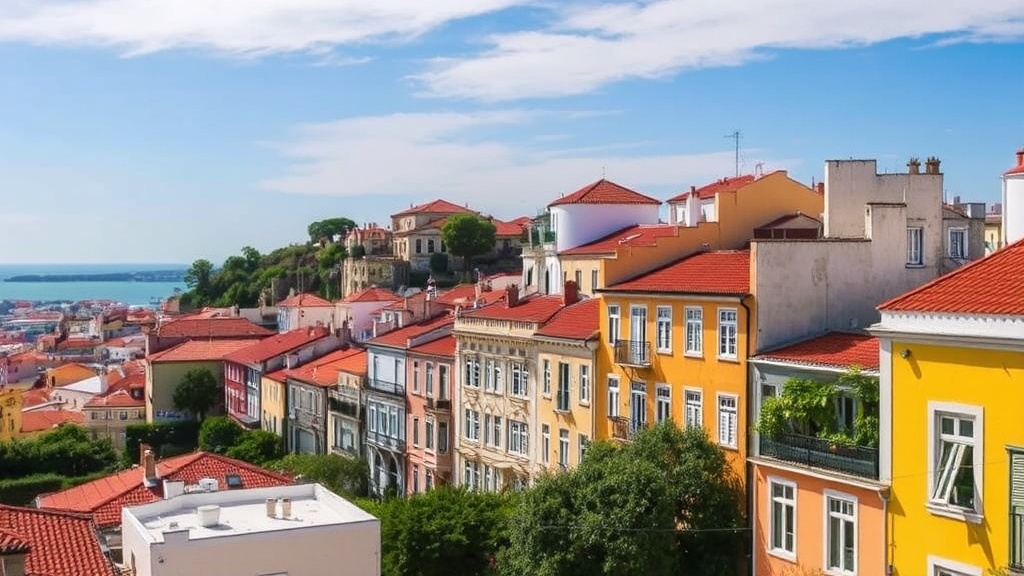
7 Hidden Neighborhoods in Lisbon That Locals Love

Campo de Ourique: The Village Within the City
Graça: Sunset Views Without the Crowds
Estrela: Gardens, Cafés, and Quiet Charm
Mouraria: Where Fado Was Born
Príncipe Real: Design Shops and Secret Gardens
Lisbon's historic center draws crowds for good reason—the pastel de nata, the yellow trams, the river views. But the real magic happens beyond the postcard spots. This guide reveals seven neighborhoods where locals actually spend their weekends, grab coffee, and live their daily lives. These pockets of authentic Lisbon offer better value, fewer tourists, and a genuine feel for Portuguese culture that the guidebooks often miss.
Why Should You Skip the Tourist Areas in Lisbon?
You'll get more authentic experiences and better prices by venturing beyond Alfama and Bairro Alto. The neighborhoods below offer traditional bakeries where nobody speaks English, family-run tascas with €7 lunch specials, and streets that haven't changed in decades. The catch? You'll need to walk uphill—sometimes a lot.
1. Campo de Ourique — The Village Within the City
Campo de Ourique feels like a small town that somehow got absorbed by a capital city. Tree-lined streets, a proper neighborhood market, and zero major landmarks keep the tour buses away. It's exactly the kind of place where locals linger at outdoor cafes for hours.
The Mercado de Campo de Ourique anchors the area—a renovated market hall with food stalls, fresh fish counters, and a few excellent lunch spots. Nearby, the Jardim da Parada provides green space without the crowds of Monsanto Park. On weekends, families gather here while kids play on the vintage wooden structures.
The architecture shifts between Art Nouveau apartment blocks and traditional Portuguese tiled facades. Rua Ferreira Borges and surrounding streets hold independent bookshops, ceramic studios, and the kind of hardware stores that still sell everything loose by weight.
Getting here takes effort—it's a 10-minute tram ride from the center or a steep walk from Rato metro. That's precisely why it stays local.
2. Estrela — Where Lisbon's Elite Actually Live
Estrela sits just west of the tourist-heavy São Bento district but feels worlds apart. The neighborhood centers on the Basílica da Estrela and its formal gardens—one of Lisbon's most underrated green spaces.
The gardens themselves merit a visit: manicured hedges, a duck pond, a small playground, and a cafe kiosk serving decent coffee for €1.20. On weekday mornings, elderly locals gather on the benches to argue about football and politics. It's peaceful without being boring.
The residential streets radiating from the basilica showcase Lisbon's wealthiest architecture—19th-century mansions with wrought-iron balconies and private chapels. Some have been converted to embassies; others remain family homes. The contrast with downtown's cramped quarters is striking.
Local life concentrates around Largo da Estrela and the nearby streets. You'll find A Padaria Portuguesa (a reliable chain for pastries), several excellent wine bars, and the occasional shop selling religious artifacts—this area remains genuinely Catholic in ways that central Lisbon has forgotten.
3. Graça — Views Without the Chaos of Miradouros
Most visitors photograph Graça's miradouros (viewpoints) then leave. That's a mistake—the neighborhood itself deserves exploration. Located on the hill behind São Jorge Castle, Graça offers the same panoramic views as the famous lookout points, plus streets where actual people live.
The area divides roughly into two zones. Near the Miradouro da Graça, you'll find cafes capitalizing on the view—some worthwhile, others tourist traps. Venture further toward Vila Berta or Rua da Senhora do Monte, though, and the character changes completely.
Vila Berta represents a unique slice of Lisbon history—a planned workers' village built in the early 1900s by industrialist Jorge Berta. The narrow alleyways and uniform houses create a distinct atmosphere, almost like a Portuguese take on a Dutch canal district (minus the water).
Graça also contains some of Lisbon's best traditional tascas. These family restaurants serve straightforward Portuguese food at honest prices—think grilled sardines, pork clams, and house wine that comes in unmarked bottles. Visit Lisboa provides additional context on where locals eat.
Which Lisbon Neighborhood Has the Best Traditional Architecture?
Príncipe Real offers the finest concentration of 19th-century mansions and manicured gardens in central Lisbon. This neighborhood sits adjacent to the trendy Bairro Alto but maintains a more refined, residential character that attracts architects and design enthusiasts.
4. Príncipe Real — Design, Gardens, and Quiet Streets
The neighborhood centers on its namesake garden—a formal square with a massive cedar tree that dominates the center. Benches circle the tree; locals read newspapers here while their dogs sniff the flower beds. On Saturdays, the Jardim do Príncipe Real hosts an organic farmers market that's worth timing your visit around.
Príncipe Real's streets contain Lisbon's highest concentration of design shops and contemporary galleries. Embaixada, a 19th-century palace converted to a concept store, showcases Portuguese makers across two floors of ornate rooms. Nearby, independent shops sell handmade ceramics, cork products, and minimalist jewelry.
The restaurant scene skews upscale without being pretentious. Cervejaria da Esquina serves excellent seafood in a casual setting; Tapisco offers refined petiscos (Portuguese small plates) from acclaimed chef Henrique Sá Pessoa. For a budget option, the original Cervejaria Trindade location nearby has operated since 1836.
Accommodation in Príncipe Real tends toward boutique guesthouses in restored mansions. The area feels safe at night—wealthy locals walk their dogs until late, and the streets stay well-lit.
Where Can You Find Lisbon's Best Local Markets?
Mercado de Alvalade Norte serves as the neighborhood hub for this residential district, offering fresh produce, seafood, and traditional prepared foods without the tourist markup of Time Out Market. It's located in Alvalade—a purpose-built neighborhood from the 1940s that most visitors never consider.
5. Alvalade — Mid-Century Planning Meets Daily Life
Alvalade represents a complete break from Lisbon's medieval chaos. Wide boulevards, geometric apartment blocks, and integrated green spaces make this feel like a different city entirely. The neighborhood was constructed during the Estado Novo regime with idealistic (if somewhat authoritarian) urban planning principles.
Today, Alvalade functions as a comfortable middle-class enclave. The main shopping street, Avenida da Igreja, holds standard Portuguese retail chains alongside family businesses that have operated for generations. Nothing here will excite dedicated shoppers—but that's exactly the point.
The food scene rewards exploration. Alvalade contains multiple excellent neighborhood tascas where lunch costs under €10 and the portions require unbuckling your belt. Dinner options range from traditional grills to newer spots catering to younger residents.
The area suits visitors who want to experience normal Portuguese life. You'll see schoolchildren in uniforms, retirees playing cards in cafes, and professionals grabbing quick coffees before work. The Metro's Green Line provides easy access to the center—about 15 minutes to Baixa.
6. Anjos — Multicultural Lisbon at Street Level
"The best thing about Anjos is that nobody's performing for tourists. It's just people living their lives." — Local resident, interviewed by The Guardian's Lisbon coverage
Anjos has transformed dramatically over the past decade. Once a working-class district with a rough reputation, it's now Lisbon's most interesting multicultural neighborhood—where traditional Portuguese life mixes with immigrants from Nepal, Bangladesh, India, and former African colonies.
The result is Lisbon's best cheap food scene. Indian grocers sell spices at prices that make central supermarkets look absurd. Nepalese restaurants serve momos and dal bhat for under €8. Traditional Portuguese bakeries operate next door to African hair braiding shops and halal butchers.
The architecture remains gritty—expect street art, slightly crumbling facades, and the occasional empty lot. That's part of the appeal. Anjos hasn't been sanitized for visitor consumption.
The Intendente square anchors the area's nightlife. Several bars here cater to a mixed crowd of locals, immigrants, and in-the-know visitors. Music ranges from Angolan kuduru to Portuguese fado depending on the venue. It's lively without being dangerous—though standard city awareness applies after midnight.
7. Ajuda — Palaces and Working-Class Reality
Ajuda contains one of Lisbon's most magnificent monuments—the Palácio Nacional da Ajuda, a 19th-century royal residence that rivals Versailles in ambition (if not execution). Yet the surrounding neighborhood remains stubbornly working-class, creating a fascinating economic contrast.
The palace itself deserves a half-day. The state rooms display Portuguese royal collections, including furniture, tapestries, and decorative arts. The attached gardens offer views over the Tagus River and the 25 de Abril Bridge. Palácio Nacional da Ajuda provides current hours and ticket information.
Step outside, though, and you're in a different world. The streets around the palace contain social housing, auto repair shops, and family restaurants where €6 buys a full meal. This is where palace staff historically lived—and where their descendants remain.
Ajuda also provides access to Monsanto Forest Park, Lisbon's largest green space. Locals jog, mountain bike, and picnic here on weekends. The park's viewpoints offer some of the best panoramic photos of the city—and you'll share them with Portuguese families rather than tour groups.
Comparing Lisbon's Hidden Neighborhoods
| Neighborhood | Vibe | Best For | Metro Access | Average Lunch Price |
|---|---|---|---|---|
| Campo de Ourique | Village atmosphere | Markets, families | Tram 28, Bus | €8-12 |
| Estrela | Wealthy, traditional | Gardens, architecture | Tram 28 | €10-15 |
| Graça | Authentic hillside | Views, tascas | Tram 28, Metro | €7-10 |
| Príncipe Real | Design-conscious | Shopping, gardens | Metro | €12-18 |
| Alvalade | Mid-century residential | Local life, value | Green Line | €7-11 |
| Anjos | Multicultural | Cheap eats, nightlife | Green Line | €6-9 |
| Ajuda | Contrasting | Palaces, parks | Tram 15 | €6-10 |
Each neighborhood rewards a different type of traveler. Families might prefer Campo de Ourique or Alvalade for space and calm. Food enthusiasts should head to Anjos or Graça for authentic, affordable meals. Design lovers will find Príncipe Real worth the higher prices.
Practical Tips for Exploring Local Lisbon
- Wear proper shoes. Lisbon's hills are no joke, and these neighborhoods often lack the smooth pavements of the center. Cobblestones get slippery.
- Learn basic Portuguese phrases. English proficiency drops off sharply outside the tourist core. "Bom dia," "por favor," and "obrigado/a" go a long way.
- Carry cash. Many neighborhood tascas and small shops don't accept cards for small purchases.
- Respect local routines. Lunch happens between 12:30 and 3 PM. Dinner rarely starts before 8 PM. Shops often close from 1-3 PM.
Here's the thing about Lisbon's hidden neighborhoods: they don't stay hidden forever. Graça was "undiscovered" five years ago. Anjos is rapidly gentrifying. The window for experiencing these places as they exist now—authentically local, imperfect, affordable—isn't permanent.
That said, don't treat them like museums. These are functioning neighborhoods where people work, raise children, and age in place. The occasional tourist wandering through is fine; groups following a guide with a flag are not.
Start with one neighborhood that matches your interests. Spend a half-day there—long enough for a meal and a coffee. Walk without a destination. That's how locals experience their own city, and it's exactly the perspective these places offer.